5 Unexpected Security Threats Every Small Business Should Prepare For
-

Ashok Kumar Singh CEO
- Cybersecurity
Running a small business can feel like juggling flaming swords, one wrong move and everything could go up in smoke. You’ve got customers to please, operations to manage, and growth to chase. The last thing you need is a cyber attack lurking in the shadows.
Here’s the kicker: most small businesses focus only on obvious threats, like dodgy emails or weak passwords. But cybercriminals are sneaky, and there are some unexpected security threats that could catch you completely off guard.
Let’s dive into five of the most surprising risks and how you can stay one step ahead.
-
Shadow IT: The Secret Risk in Your Office
Ever notice your team using random apps or free tools because they just make work easier? That’s Shadow IT, software and devices running outside IT’s control.
It seems harmless, right? Wrong. Every unapproved app is a backdoor for hackers, and sensitive data can slip through the cracks without anyone realizing it.
Pro Tip: Make approved tools just as convenient as the rogue apps. Give your team safe, secure alternatives they will actually use.
-
Insider Threats: The Danger Within
Not all threats wear hoodies and lurk in the dark web. Sometimes the danger is sitting at your desk.
A careless employee clicking a link or a frustrated ex-team member can unintentionally or intentionally compromise your data. Small businesses often overlook this risk, thinking insiders are safe.
Pro Tip: Conduct regular access audits and turn cybersecurity training into a fun, interactive part of team culture. Teach people, don’t just police them.
- Supply Chain Vulnerabilities: Your Weakest Link
Your business isn’t an island. Vendors, partners, and freelancers are part of your network, and a breach on their end can drag you into a cyber nightmare.
Pro Tip: Vet vendors carefully and demand that they follow strong security practices. A chain is only as strong as its weakest link.
-
IoT Devices: Tiny Gadgets, Big Risks
Those smart office devices, thermostats, cameras, even coffee machines, are convenient, but they are also a hacker’s playground if left unsecured. Default passwords and outdated firmware make them easy targets.
Pro Tip: Change defaults, update firmware regularly, and separate these devices from your critical business network. Your coffee machine should not be able to access your financial files.
-
Ransomware-as-a-Service: Hackers Made It Easy
Ransomware used to be complicated, not anymore. Enter Ransomware-as-a-Service (RaaS), a platform that lets even amateur hackers launch devastating attacks. Your files can be locked in seconds, and the ransom demand could be crippling.
Pro Tip: Regular backups, endpoint protection, and team vigilance are your best friends here. Remember, never click suspicious links, no matter how tempting the email looks.
Don’t Wait for a Wake-Up Call
Small businesses are often the juiciest targets, because cybercriminals assume you’re easy prey. But with a little preparation, the right mindset, and strong cybersecurity measures, you can turn your small business into a hard target.
At First Rite IT Services, we help businesses implement robust cybersecurity strategies, conduct risk assessments, and train teams to tackle threats before they happen.
Your business isn’t too small to protect, start securing it today.
Contact us and let’s make your business cyber-resilient.
Table of Contents
Frequently Asked Questions
Q : What is Shadow IT, and why is it a threat to small businesses?
Shadow IT refers to employees using unapproved apps or tools outside the company’s IT control. While it may seem harmless, these tools can create backdoors for hackers and allow sensitive data to leak unnoticed. Small businesses should provide secure, approved alternatives to keep teams safe.
Q : How can insider threats affect small businesses?
Insider threats come from employees or former staff—either through mistakes, negligence, or malicious intent. A single careless click can compromise company data. Regular access audits and ongoing cybersecurity training help reduce these risks significantly.
Q : Why should small businesses worry about supply chain vulnerabilities?
Small businesses often work with vendors, freelancers, or partners who may not follow strong security practices. If a partner is hacked, your business can be exposed too. Always vet your vendors and ensure they maintain proper cybersecurity standards.
Q : How can IoT devices become cybersecurity risks?
Smart devices like office cameras, thermostats, or even coffee machines often have weak security, default passwords, and outdated firmware. Hackers can exploit these to access your network. To stay safe, change default settings, update regularly, and separate IoT devices from critical business systems.
AUTHORS BIO

ASHOK KUMAR SINGH
- CEO
- First Rite IT Services
At First Rite IT Service, we dedicate to empowering businesses with cutting-edge technologies and transform their ideas into reality curing the root cause.

Need offshore development team?
First Rite is ready to assemble a team of the specialist that will cater to thw needs of your project
Schedule a meeting Need offshore development team?
First Rite is ready to assemble a team of the specialist that will cater to thw needs of your project
Schedule a meeting Need offshore development team?
First Rite is ready to assemble a team of the specialist that will cater to thw needs of your project
Schedule a meetingRelated blogs

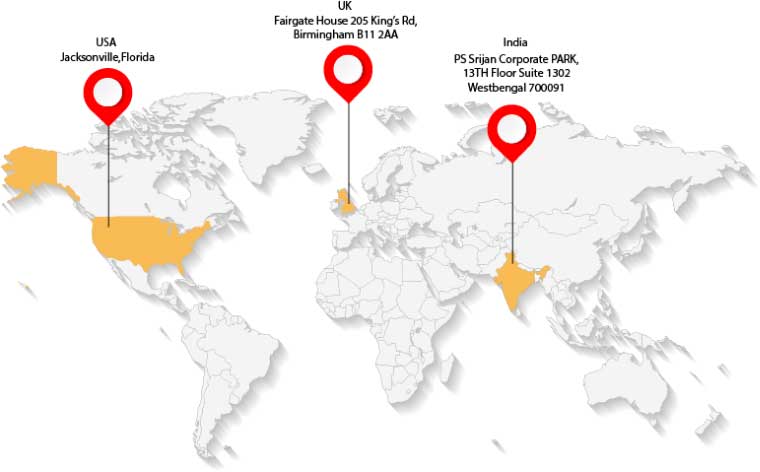
Our Location